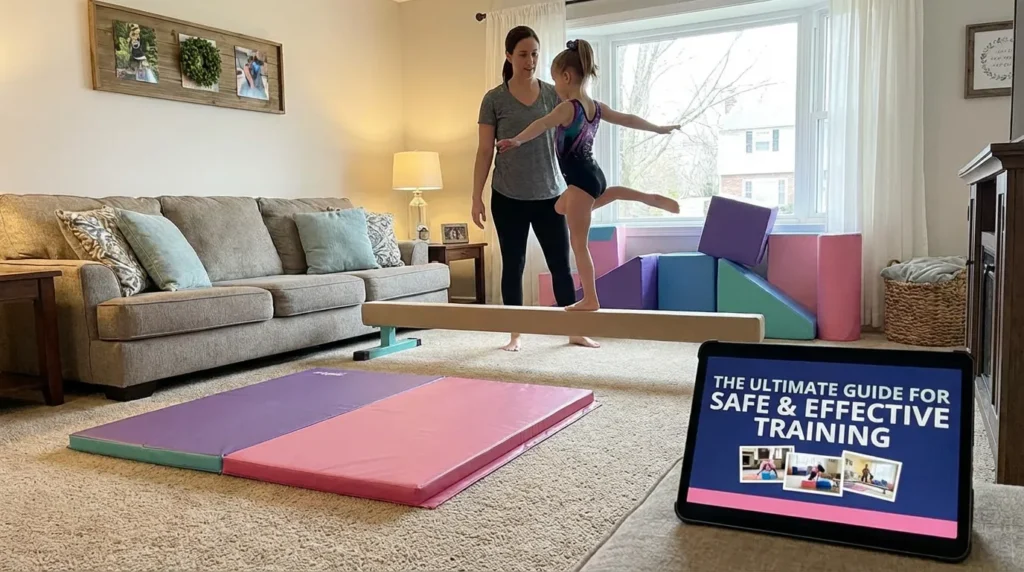
Gymnastics Equipment for Home: The Ultimate Guide for Safe & Effective Training
Gymnastics doesn’t have to stay inside the gym.
Whether your child just started classes or dreams of competition one day, having the right gymnastics equipment for home can dramatically improve strength, flexibility, and confidence. The key? Choosing safe, space-friendly equipment that supports real progress — without turning your living room into a dangerous obstacle course.
In this complete guide, you’ll learn:
What gymnastics equipment is safe for home use
What beginners actually need (and what they don’t)
How to set up a small home training space
What to avoid
A ready-to-use home equipment checklist you can download
Why Train Gymnastics at Home?
Home training offers:
 Extra repetition without gym pressure Faster strength and flexibility gains Improved confidence Skill refinement between classes Convenience for busy families
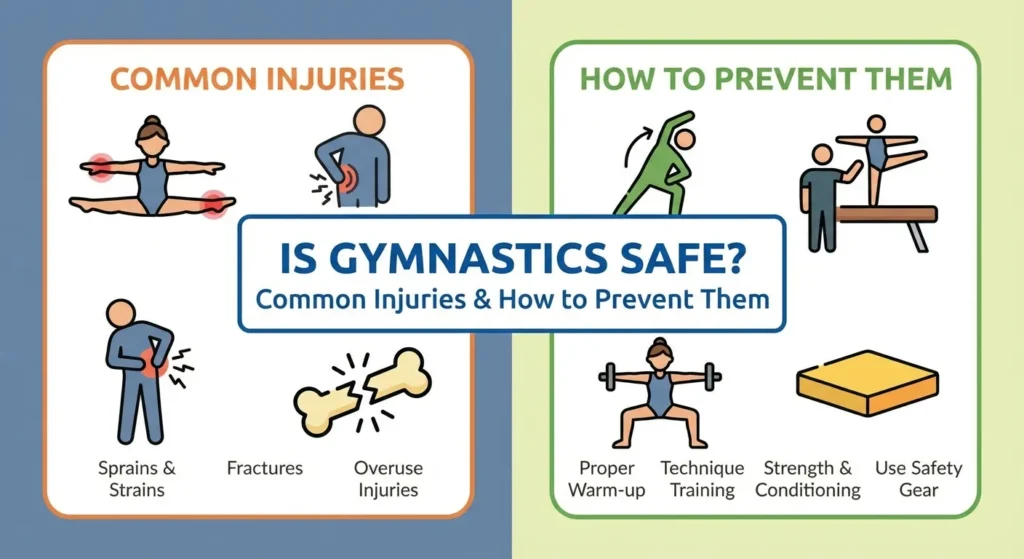
However, safety and correct progressions are critical. Home equipment should support basics — not replace professional coaching.
Essential Gymnastics Equipment for Home (Beginner-Friendly)
1. Folding Gymnastics Mat
A high-density folding mat is the #1 must-have item.
Best for:
Forward rolls
Backward rolls
Cartwheels
Handstand practice
Conditioning drills
Look for:
1.5”–2” thickness
Non-slip bottom
Easy fold storage
Avoid thin yoga mats — they don’t provide impact protection.
2. Incline / Cheese Mat
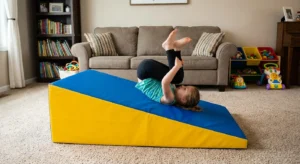
Best sizes: 60″L x 30″W x 15″Th; 68“L x 30″W x 16″Th
Perfect for learning:
Forward rolls
Backward rolls
Back walkovers
Handstand kick-ups
Bridges
An incline mat helps beginners build confidence and proper technique safely.
3. Adjustable Gymnastics Bar (Junior Kip Bar)
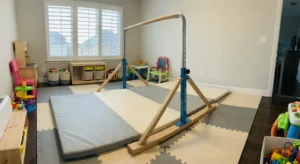
PRICES – Click here!
If you have space, this is a powerful training tool.
Used for:
Pullovers
Back hip circles
Casts
Basic kips (advanced beginners)
Important:
Always place on thick mats
Ensure weight rating matches your child
Check stability before every session
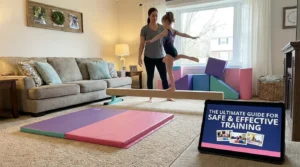
4. Balance Beam (Floor or Low Beam)
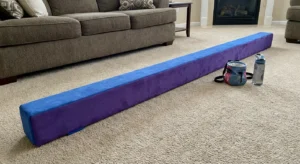
PRICES – Click here!
A 4-inch wide floor beam builds:
Balance
Confidence
Precision
Start with a foam floor beam, not a raised wooden beam.
5. Resistance Bands & Strength Tools
Gymnastics is strength-based.
Useful additions:
These help build core, shoulder, and wrist strength safely.
Equipment You Should NOT Buy for Home (For Most Families)
 Full-size uneven bars Competition beam (high beam) Spring floor Vault table Rings mounted without professional installation
These require professional setup and supervision.
Small Space Home Setup (Apartment Friendly)
You don’t need a garage.
Minimum setup:
1 folding mat
1 floor beam
Resistance bands
That’s enough for:
20–30 minute daily strength sessions
Flexibility routines
Balance training
Handstand work
Weekly Home Training Example (Beginner)
Monday – Strength + Core
Wednesday – Flexibility + Bridges
Friday – Handstands + Cartwheel drills
Sunday – Beam practice + Conditioning
Consistency matters more than duration.
Safety Rules for Home Gymnastics
 Always warm up Never practice new advanced skills alone Supervise younger children Use mats under all equipment Stop if there is pain (not normal muscle soreness)
Gymnastics injuries often happen from rushing progressions.
Final Thoughts
Gymnastics equipment for home can accelerate progress — when used safely and strategically.
Start small:
Mat + Beam + Strength routine.
Focus on basics:
Strength. Flexibility. Balance. Control.
Skills come after foundations.