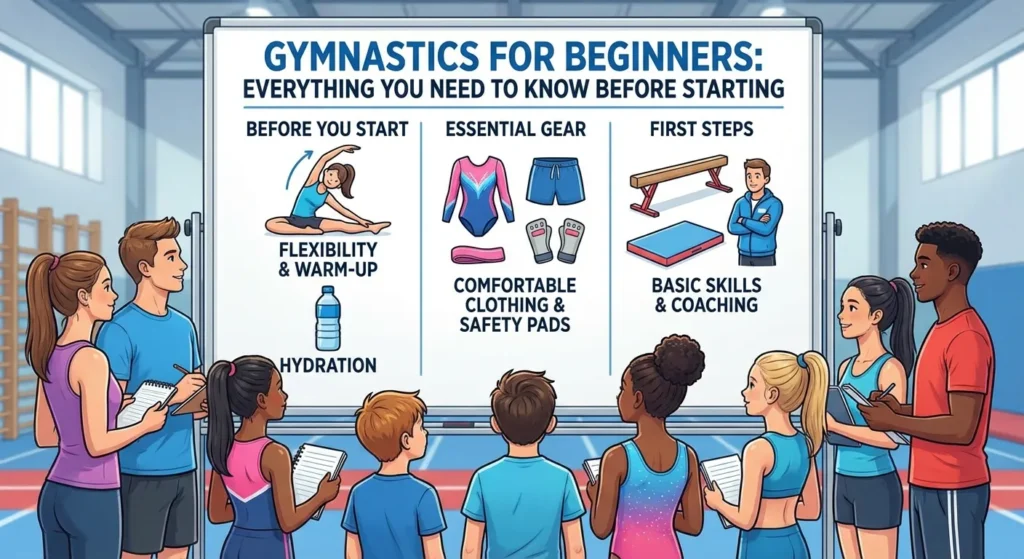
Gymnastics for Beginners: Everything You Need to Know Before Starting
Gymnastics looks effortless when you watch it.
Power. Control. Grace.
But behind every clean routine is a beginner who once asked the same question:
“Where do I even start?”
If you’re new to gymnastics — or a parent trying to understand it — this guide will walk you through everything you need to know before the first class.
No confusion. No overwhelm. Just the basics that actually matter.
What Is Gymnastics?
Gymnastics is a sport that develops strength, flexibility, balance, coordination, and discipline.
There are several main types:
Artistic Gymnastics (most popular – floor, beam, bars, vault)
Rhythmic Gymnastics
Trampoline & Tumbling
Acrobatic Gymnastics
Most beginners start with artistic gymnastics, especially children.
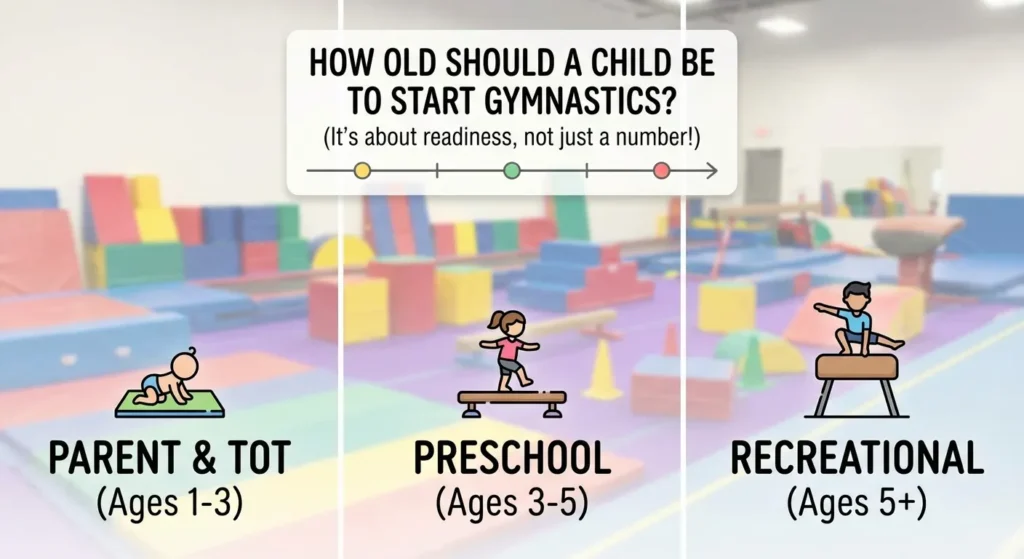
What Age Can You Start Gymnastics?
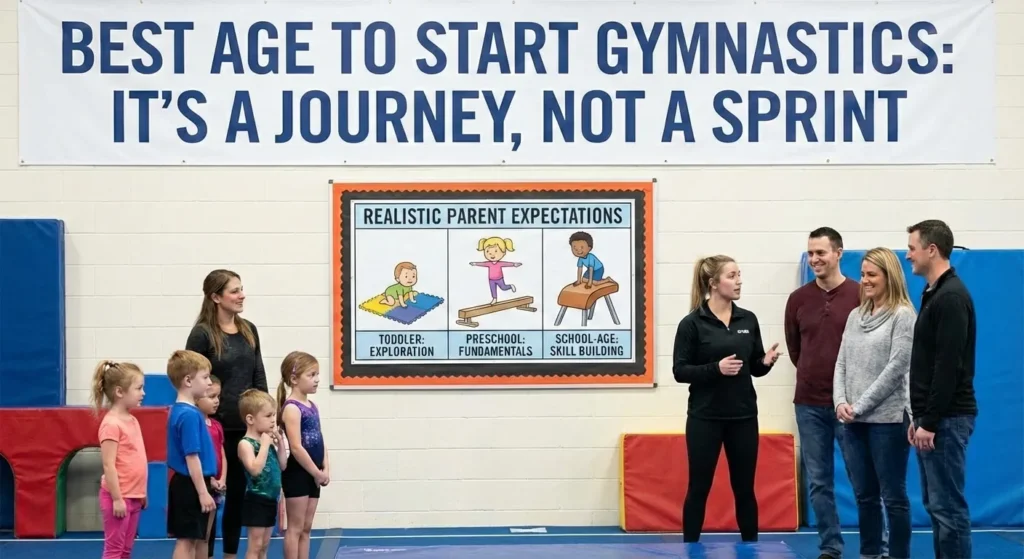
Gymnastics can start very early — but how you start matters more than when.
Ages 3–5: basic movement, balance, coordination
Ages 6–9: ideal age to learn fundamentals
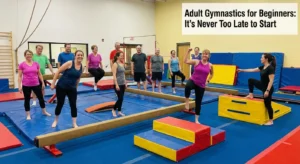
Ages 10+: still possible to start and progress well
👉 There is no “too late” age for recreational gymnastics.
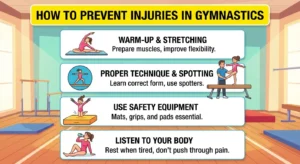
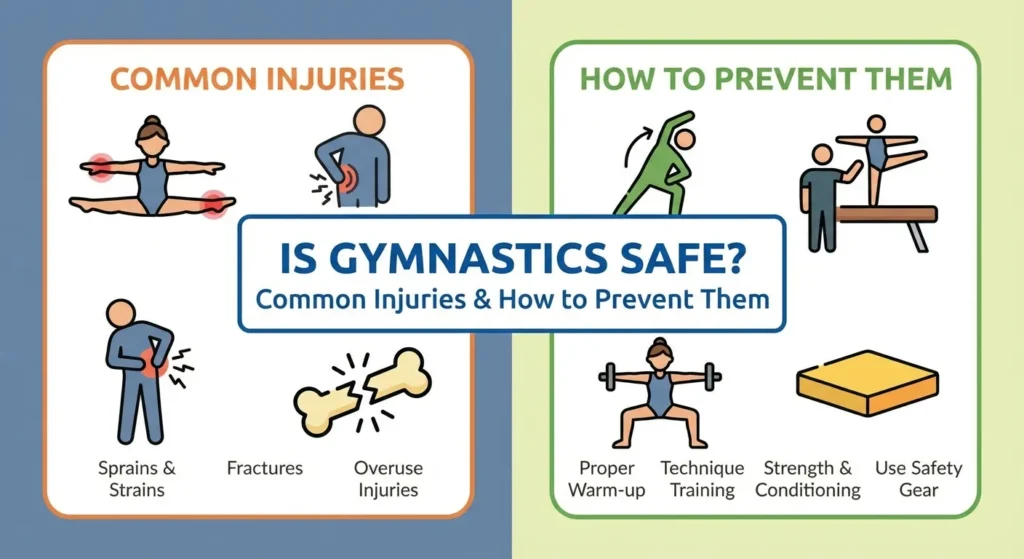
Is Gymnastics Safe for Beginners?
Yes — when done correctly.
Most beginner injuries come from:
Skipping basics
Poor flexibility
Too much training too soon
No recovery or rest
A good beginner program focuses on:
Proper warm-ups
Strength before skills
Controlled progressions
Gymnastics is not dangerous — rushing is.
What Skills Do Beginners Learn First?
Beginners do NOT start with flips.
They start with:
Forward & backward rolls
Handstands (wall-assisted)
Cartwheels
Jumps & landings
Balance drills
Basic strength & flexibility
These build the foundation for everything else.
What Should a Beginner Wear?
Simple and functional is best.
For training:
Leotard (girls)
Shorts or fitted athletic wear (boys)
Barefoot or gymnastics shoes
Avoid:
Loose clothing
Jewelry
Socks (slipping risk)
How Often Should Beginners Train?
More is not always better.
Recommended for beginners:
1–2 times per week
60–90 minutes per session
Consistency matters more than intensity.
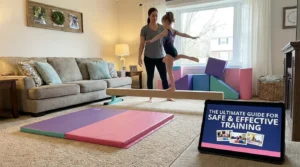
Gymnastics at Home: Can Beginners Practice?
Yes — but safely.
Good at-home activities:
Stretching routines
Core exercises
Balance drills
Handstand basics (with support)
Avoid advanced skills without a coach.
Common Beginner Mistakes
Trying advanced skills too early
Comparing progress to others
Ignoring flexibility
Overtraining
Fear of falling
Progress in gymnastics is not linear. Plateaus are normal.
What Gymnastics Teaches Beyond Sport
Gymnastics builds:
Discipline
Confidence
Body awareness
Mental toughness
Work ethic
Many gymnasts succeed in life because of what gymnastics teaches them.
Final Thoughts
Gymnastics is a journey, not a race.
Start slow. Build strong foundations.
And most importantly — enjoy the process.
Because every elite gymnast started exactly where you are now.